
- Home
- Events Calendar
- 2026 IMBES Conference

Keynote Speakers
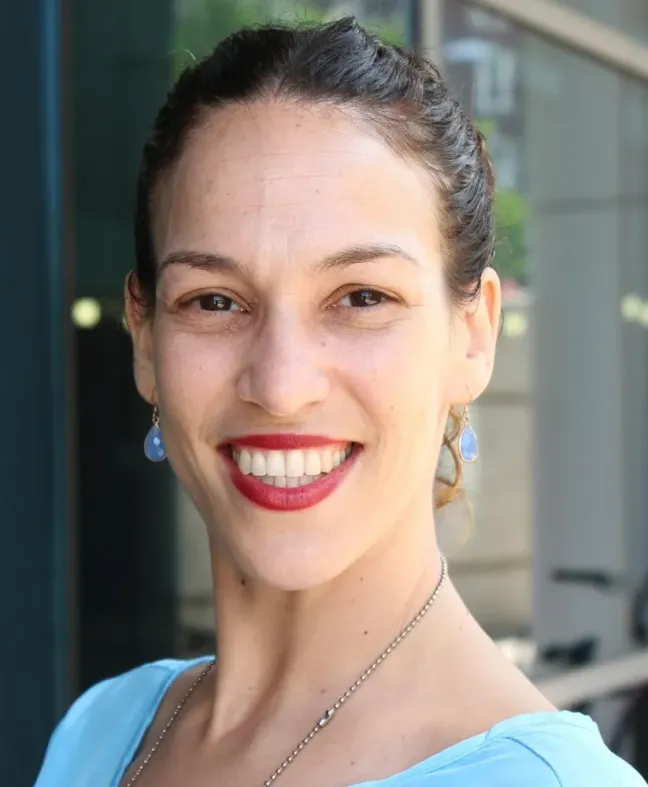 | Tzipi Horowitz-KrausTechnion Israel Institute of Technology | Kennedy Krieger Institute Talk Title: "Progressing or Regressing? Digital Media, AI, and the Neurobiology of Learning" Dr. Tzipi Horowitz-Kraus is an Associate Professor in the Faculty of Education in Science and Technology and the Faculty of Biomedical Engineering at the Technion - Israel Institute of Technology, where she directs the Educational Neuroimaging Group (ENIG). She also serves as an Associate Professor at the Kennedy Krieger Institute and Johns Hopkins University School of Medicine. Her research focuses on the role of executive functions and audiovisual integration in reading fluency among children with neurodevelopmental disorders, as well as in those whose difficulties stem from environmental factors such as excessive screen exposure, limited literacy environments, and trauma. Using multimodal neuroimaging and targeted interventions, she tracks the developmental trajectories of these processes from infancy and evaluates strategies to improve them. Dr. Horowitz-Kraus has published more than 100 peer-reviewed papers and leads several international grants on child brain and literacy development. She is Executive Chair for Education and Communication at the Flux Society, a board member of the International Mind, Brain and Education Society, and an active member in scientific societies on neuroscience, pediatrics, and reading. |

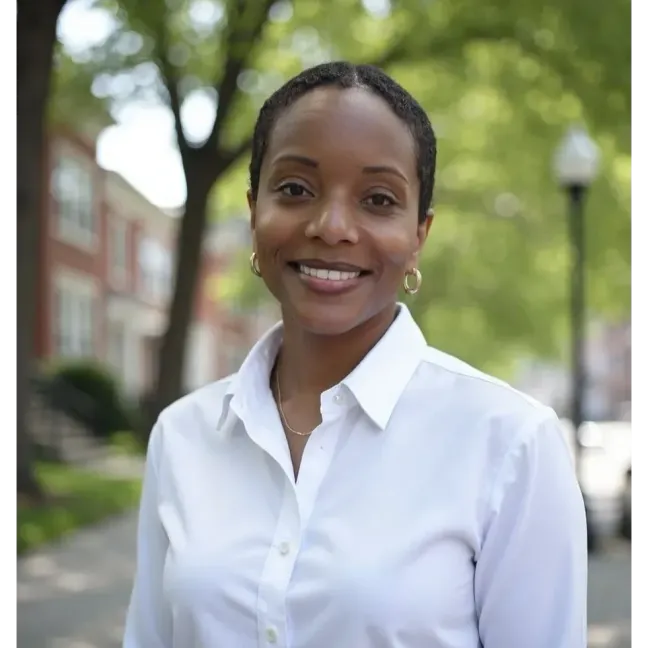 | Dr. Dana Miller-CottoUniversity of California, Berkeley Talk Title: "The Context of Cognition: Educational Environments and Children's Thinking" Dr. Dana Miller-Cotto is an Assistant Professor in the Berkeley School of Education at the University of California, Berkeley. Her research explores how children learn and how the environments around them shape their thinking, with the goal of informing more equitable educational practice. Drawing on approaches from cognitive science, sociology, and educational psychology, Drawing on approaches from cognitive science, sociology, and educational psychology, Dr. Miller-Cotto studies the cognitive and contextual factors that shape mathematics learning and contribute to educational inequity, particularly for Black and Latine students living in poverty who generally demonstrate lower performance in mathematics in the United States. She examines how classroom experiences, instructional materials, and assessments support - or sometimes interfere with - children's ability to think, learn, and solve problems independently. Much of her work focuses on executive functions and how classrooms, learning materials, assessments, and other supports can help children use these skills more effectively. A central goal of her research is ensuring that every child has the opportunity to thrive. She examines why some children, particularly Black and Latine children and those growing up in under-resourced communities, face greater barriers to success, and how educators can design learning environments that recognize children's strengths rather than only measuring their challenges. Ultimately, through her research, she aims to bridge developmental science and educational practice to help create classrooms where all children have the opportunity to think deeply, learn confidently, and reach their full potential. Her work has been published in leading journals including Journal of Educational Psychology, Developmental Psychology, Developmental Review, and Learning and Individual Differences, and has been supported by the Bill & Melinda Gates Foundation, the Brady Education Foundation, the Caplan Foundation for Early Childhood, and the Society for Research in Child Development. Her work has also been featured in The Washington Post, EdSurge, and Edutopia. |
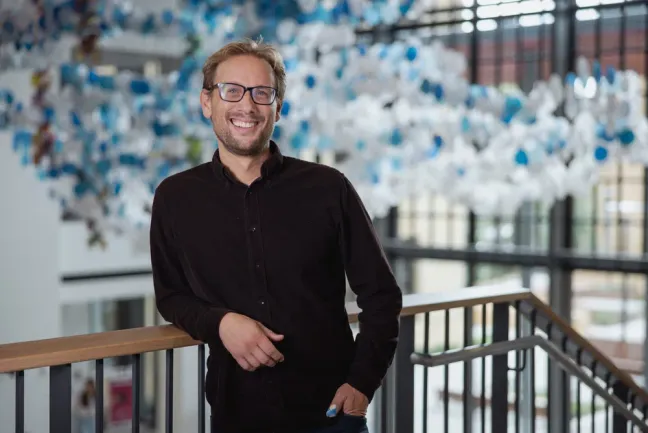 | Dr. Jason YeatmanStanford University Talk Title: "From the Lab to the Classroom and Back: The Virtuous Cycle Between Education and Neuroscience" Dr. Jason Yeatman is an Associate Professor in the Graduate School of Education at Stanford University and the Division of Developmental and Behavioral Pediatrics at Stanford University School of Medicine. Dr. Yeatman completed his PhD in Psychology at Stanford where he studied the neurobiology of literacy and developed new brain imaging methods for studying the relationship between brain plasticity and learning. After finishing his PhD, he took a faculty position at the University of Washington’s Institute for Learning and Brain Sciences before returning to Stanford. As the director of the Brain Development and Education Lab, the overarching goal of his research is to understand the mechanisms that underlie the process of learning to read, how these mechanisms differ in children with dyslexia, and to design literacy intervention programs that are effective across the wide spectrum of learning differences. His lab employs a variety of structural and functional neuroimaging techniques to study how a child’s experience with reading instruction shapes the development of brain circuits that are specialized for this unique cognitive function. More recently the lab has transitioned to developing and scaling new approaches to educational assessment - the Rapid Online Assessment of Reading or ROAR. |
- Home
- Events Calendar
- 2026 IMBES Conference
www.imbes.org
 |
 |